
There’s something incredibly satisfying about the smell of freshly baked bread wafting through your home, isn’t there? The soft, chewy texture of a perfect sourdough sandwich bread can elevate even the simplest of meals, making each bite a delicious experience. I first discovered this recipe during a weekend spent experimenting in my kitchen, and the results were nothing short of magical.
Imagine biting into a warm slice, its crust crackling softly, while the inside remains fluffy and airy. What sets this sourdough bread apart is not just its delightful flavor but the way it can elevate everyday sandwiches or stand alone with a smear of butter.
Whether you’re looking to impress your family with homemade goodness or simply crave a break from the fast-food routine, this recipe brings forth the comforting essence of artisan bread made right in your own kitchen. So, roll up your sleeves and prepare to embark on a baking adventure that will fill your home with love and the promise of tomorrow’s lunches. Let’s dive into crafting your very own soft sourdough sandwich bread!
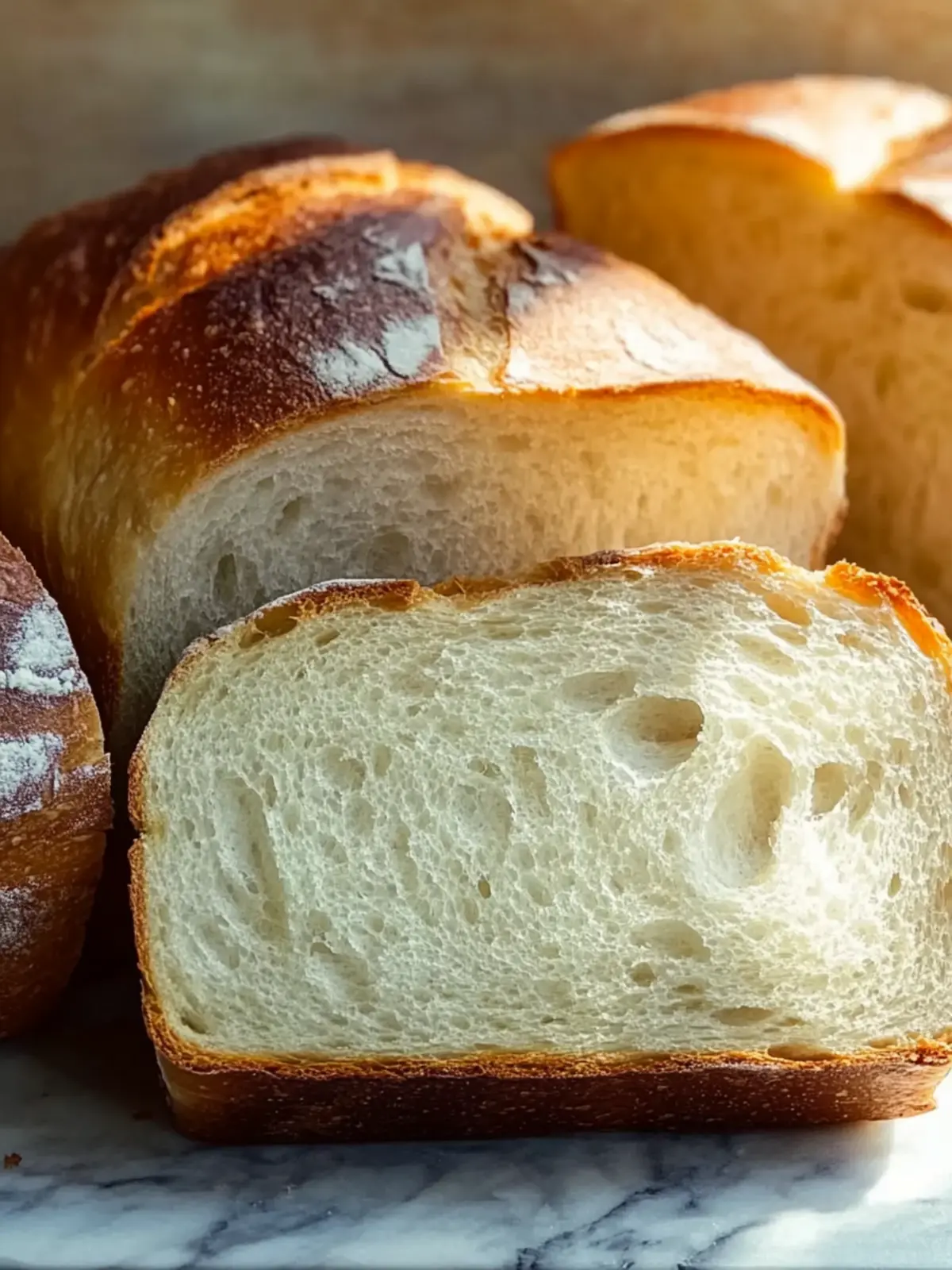
Why is Soft Sourdough Sandwich Bread a Must-Try?
Homemade sourdough brings unparalleled freshness that store-bought bread simply can’t match. Irresistibly fluffy, each slice is perfect for sandwiches or toasted with a pat of butter. Versatile in its uses, you can enjoy it with sweet or savory fillings. Time-tested techniques ensure a reliable rise and texture every time, while crowd-pleasing flavor will have the family coming back for more! Ready to elevate your lunch game? Check out how to make this delicious homemade bread!
Soft Sourdough Sandwich Bread Ingredients
Get ready to craft the most delightful sandwich bread you’ve ever tasted!
For the Dough
- 300 grams starter – freshly fed and active, essential for that tangy sourdough flavor.
- 650 grams warm water – the warmth activates the yeast and promotes fermentation.
- 50 grams honey – adds a touch of sweetness and helps with browning.
- 40 grams avocado oil – for extra moisture and richness in the bread.
- 1000 grams white bread flour – high protein content ensures a chewy texture and good rise.
- 20 grams salt – enhances flavor and controls the fermentation rate.
With these carefully selected ingredients, you’ll create a Soft Sourdough Sandwich Bread that’s perfect for all your lunch cravings!
How to Make Soft Sourdough Sandwich Bread
-
Prepare your starter. Begin with a very active, freshly fed starter that passes the float test. This ensures robust fermentation for your dough.
-
Measure the water. Set a large bowl on your digital food scale. Pour in 650 grams of warm water and press tare to reset the scale.
-
Add the starter. Incorporate 300 grams of your bubbly starter into the water. The starter should create an enchanting floating mass beneath the surface.
-
Mix in the oil. Add 40 grams of avocado oil and press tare again. This healthy fat contributes richness and helps the bread stay moist.
-
Incorporate the honey. Pour in 50 grams of honey, pressing tare for accurate measurement. This sweetness enhances flavor and gives your bread a beautiful golden crust.
-
Whisk it together. Gently whisk the mixture of water, starter, oil, and honey until fully combined, creating a smooth base for your dough.
-
Add the flour. Gradually introduce 1000 grams of high-protein white bread flour to the bowl, folding it into the liquid until you achieve a shaggy mass of dough.
-
Mix to combine. With a dough hook, spatula, or your well-moistened hands, work the mix until it binds together, leaving a somewhat sticky, shaggy dough.
-
Let it rest. Allow the dough to rest undisturbed for 1 hour. This initial rest improves gluten development.
-
Season with salt. Evenly sprinkle 20 grams of salt across the dough surface, ensuring good flavor distribution.
-
Moisten and mix. Spritz the dough lightly with water and, using wet hands, gently work the salt into the dough until fully incorporated.
-
Rest again. Allow the dough to rest for another 30 minutes after adding the salt, allowing the flavors to meld and moisture to incorporate.
-
Start Stretch and Folds. Begin the first round of Stretch and Folds, repeating every 30 minutes a total of 4 times. This develops strength in the dough.
-
Refrigerate overnight. Once your folds are complete, refrigerate the dough for a slow cold rise overnight or up to 24 hours.
-
Bring to room temperature. The next day, remove the dough and let it warm to room temperature for about 2 hours to activate the yeast.
-
Divide the dough. Using a kitchen scale, divide the dough into two equal portions, aiming for two balls of around 1000 grams each.
-
Bench rest. Allow both dough balls to bench rest for 30 to 45 minutes, during which they become elastic and easier to shape.
-
Shape one loaf. Select one dough ball, setting the second aside. Flatten it gently on a floured board with a rolling pin to degass.
-
Create a rectangle. Shape the degassed dough into a rectangle, then spritz lightly with water to promote a good roll.
-
Seal the seams. Fold the long edges toward the center, creating a closed seam. Press to secure.
-
Form the loaf. Fold the front corners in and then roll up the dough tightly, tucking in as you go to avoid air pockets.
-
Pinch and place. Pinch the ends of the loaf tightly and flatten the seam gently. Place your loaf into an oiled loaf pan.
-
Repeat for the second loaf. Shape the second dough ball in the same manner as described above.
-
Proof the loaves. Allow the loaves to sit on the counter for 2 to 4 hours, until they reach the top of the pans. For extra oven spring, chill them for 2 hours covered in the fridge.
-
Preheat the oven. Preheat your oven to 400°F, also setting up a water bath for steam during baking.
-
Score the loaves. Carefully remove the loaves from the fridge and score them deeply with a sharp knife for an elegant finish.
-
Optional egg wash. For a beautiful crust, you may brush the dough with a beaten egg before baking.
-
Bake the loaves. Place the loaf pans in the center of the oven. Bake for 15 minutes.
-
Lower the temperature. After 15 minutes, reduce the temperature to 375°F and bake for an additional 25 to 30 minutes.
-
Check for doneness. Use a digital thermometer to ensure the internal temperature reaches 200°F or knock on the bottom for a hollow sound.
-
Cool on racks. Take the loaves out of the oven and let them cool on wire racks until they reach room temperature before cutting into them.
Optional: Serve fresh slices with your favorite spreads!
Exact quantities are listed in the recipe card below.
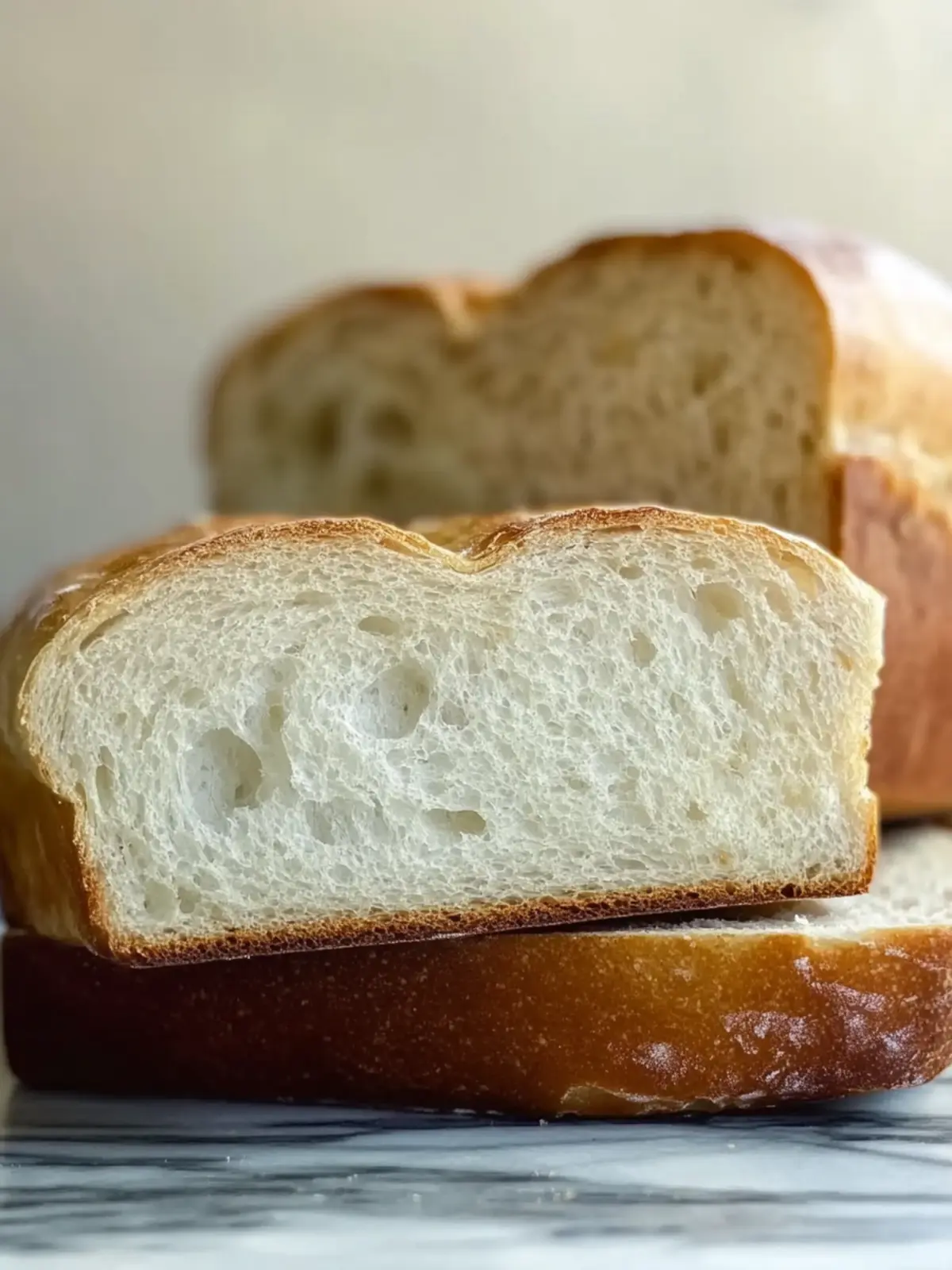
What to Serve with Soft Sourdough Sandwich Bread?
Elevate your meal and satisfy your taste buds with delightful sides that complement the luscious flavor of homemade sourdough.
-
Creamy Avocado Spread: This smooth, rich topping adds a fresh, buttery flavor that pairs beautifully with the bread’s texture.
-
Classic Tomato Soup: A warm, comforting bowl of tomato soup is a perfect dip for your bread, enhancing its flavors with each bite.
-
Crispy Kale Salad: The crunch and earthiness of kale salad contrast wonderfully with the soft, airy bread, adding diverse textures to your meal.
-
Savory Herb Butter: A dollop of herb-infused butter melts into the warm bread, creating a savory treat that will keep you reaching for more.
-
Cheesy Grilled Sandwich: Elevate your lunch by making a gooey grilled cheese sandwich. The crispy exterior and gooey cheese play perfectly against the tender sourdough.
-
Pickled Vegetables: The tangy crunch of pickled veggies provides a refreshing contrast, balancing the rich, fluffy qualities of your sandwich bread.
Imagine pairing your freshly baked bread with these delightful accompaniments for a meal that warms not only the belly but the heart!
How to Store and Freeze Soft Sourdough Sandwich Bread
Room Temperature: Store your soft sourdough sandwich bread in a paper bag or a bread box for up to 3 days. This will keep the crust intact while allowing some moisture to escape.
Fridge: If you want to extend the life of your bread, wrap it in plastic wrap and store it in the fridge for up to 1 week. Just note that the texture may soften a bit.
Freezer: Freezing is a great option! Wrap slices or the whole loaf tightly in plastic wrap, then place it in a freezer bag. It will stay fresh for up to 3 months—ideal for your future lunch sandwiches!
Reheating: Thaw at room temperature or gently toast slices straight from the freezer. To revive the crust, pop it in a preheated oven at 375°F for about 10 minutes. Enjoy each fluffy bite of your soft sourdough sandwich bread!
Make Ahead Options
These Soft Sourdough Sandwich Bread loaves are perfect for busy weeknights and meal prep! You can refrigerate the dough for a slow rise overnight or up to 24 hours, allowing you to prepare the base in advance. After completing the Stretch and Folds, simply wrap the dough tightly in plastic wrap and store it in the fridge to prevent drying out. When you’re ready to bake, let the dough warm to room temperature for about 2 hours. The next steps, including shaping and proofing, remain unchanged, ensuring you achieve those delightful, bakery-style loaves with minimal effort when you finish. Enjoy freshly baked bread right when you need it!
Soft Sourdough Sandwich Bread Variations
Feel free to experiment and make this delightful bread your own with these exciting twists!
-
Whole Wheat: Substitute 50% of the white bread flour with whole wheat flour for a nuttier flavor and added nutrients.
-
Herb-Infused: Add 2 tablespoons of dried herbs such as rosemary or thyme to the dough for a fragrant and flavorful loaf. Perfect for pairing with savory sandwiches!
-
Add Seeds: Incorporate 50 grams of your favorite seeds, like sunflower or flaxseeds, into the dough for a hearty texture and delightful crunch.
-
Sweet Variants: Replace the honey with maple syrup or agave nectar for a different sweetness, perfect for breakfast toasts or sweet sandwiches.
-
Cheesy Delight: Fold in 100 grams of shredded cheese—like cheddar or parmesan—before shaping the dough for a cheesy pop in every slice.
-
Milky Magic: Use milk instead of water for a richer flavor and softer crumb. It also adds a touch of sweetness!
-
Spicy Kick: Add 1-2 teaspoons of chili flakes or finely chopped jalapeños to the dough for a delightful heat in your sandwiches.
-
Raisin Bread: Mix in 150 grams of chopped dried raisins or cranberries for a sweet twist, ideal for breakfast or dessert sandwiches.
Let your imagination run wild as you create your unique version of this Soft Sourdough Sandwich Bread!
Expert Tips for Soft Sourdough Sandwich Bread
-
Starter Quality: Ensure your starter is freshly fed and actively bubbly. A strong, active starter is crucial for achieving the perfect rise and flavor in your soft sourdough sandwich bread.
-
Water Temperature: Use warm water (not hot) to promote yeast activity effectively. Water that’s too hot can kill the yeast, leading to undesirable dough.
-
Accurate Measurements: Always weigh your ingredients using a digital scale for precision. Small discrepancies can impact the dough’s hydration and texture.
-
Stretch and Folds: Don’t skip the stretch and folds! This technique builds gluten structure, resulting in a chewy yet soft texture in your final bread.
-
Proofing Time: Allow adequate time for proofing. It’s better to let the loaves rise longer if necessary, ensuring they reach the top of the pans for optimal oven spring.
-
Cooling Before Cutting: Resist the temptation to cut into your bread right away! Letting it cool fully on wire racks prevents a gummy texture and ensures perfect slices.
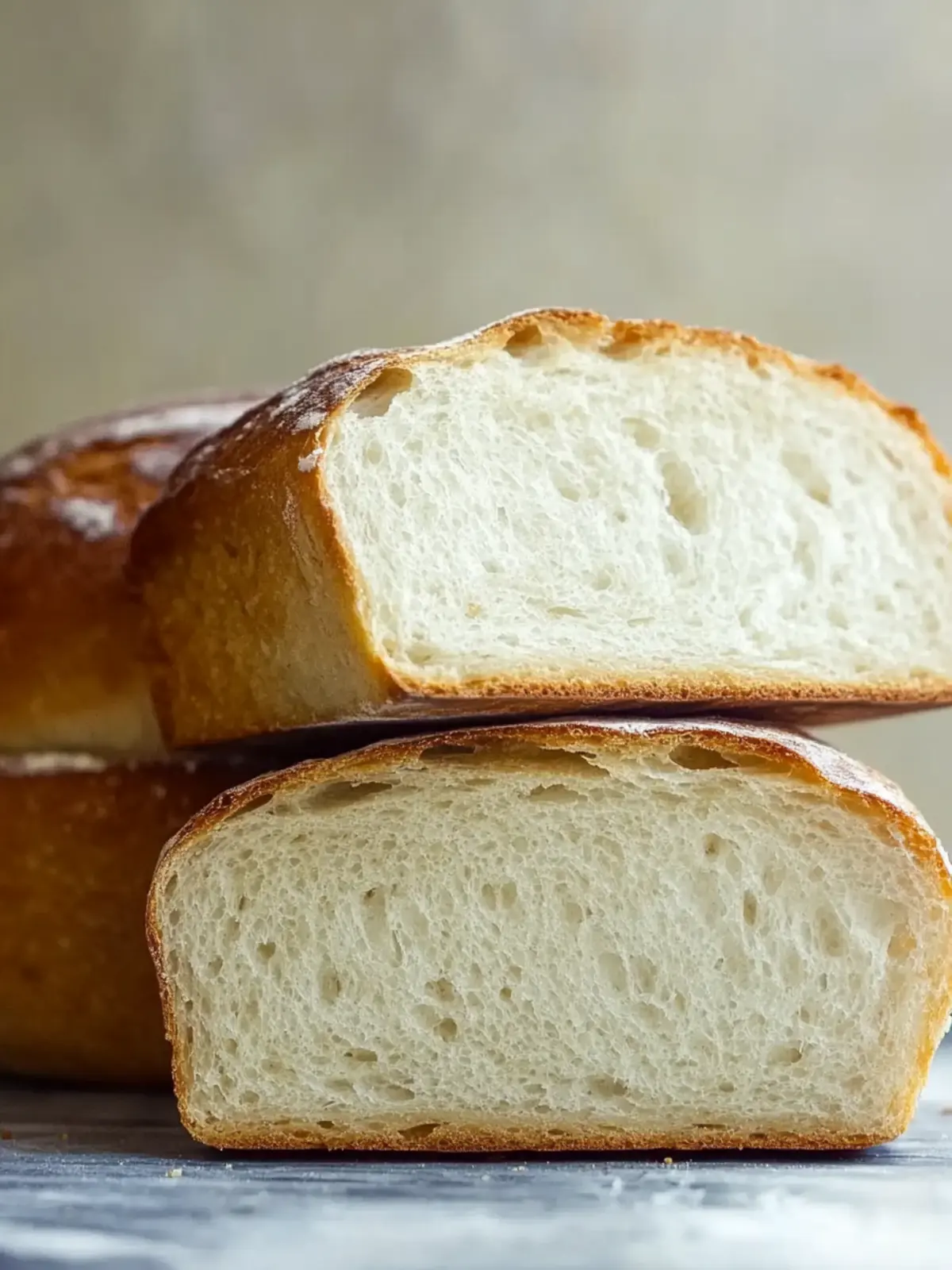
Soft Sourdough Sandwich Bread Recipe FAQs
What type of starter should I use for sourdough bread?
Absolutely! For the best results, use a freshly fed and active sourdough starter that has been allowed to reach its peak before baking. An ideal starter should pass the float test – when dropped into a glass of water, it should float, indicating that it’s well-aerated and ready to work its magic in your dough.
How should I store my sourdough bread?
You can keep your soft sourdough sandwich bread at room temperature for up to 3 days, stored in a paper bag or bread box to maintain its crust. If you prefer to extend its life, wrap it tightly in plastic wrap and store it in the fridge for up to 1 week—though the texture may soften slightly.
Can I freeze sourdough bread?
Very! Freezing your sourdough bread is simple. Wrap the cooled loaf or individual slices tightly in plastic wrap and place them in a freezer bag. Your bread will stay fresh for up to 3 months. To enjoy, thaw at room temperature or toast directly from the freezer. For an added crunch, heat it in a preheated oven at 375°F for about 10 minutes.
What should I do if my sourdough doesn’t rise?
If your sourdough isn’t rising as expected, it could be due to an inactive starter, too cold of an environment, or a lack of gluten development. Make sure to perform the stretch and folds as instructed and ensure your starter is bubbly and recently fed. For the best rise, ferment in a warm spot (ideally around 75-80°F) and be patient—sometimes, good things take time!
Is this sourdough bread recipe suitable for those with gluten sensitivity?
Unfortunately, this soft sourdough sandwich bread is not gluten-free as it relies on high-protein white bread flour. However, if you’re looking for gluten-free alternatives, consider using a gluten-free bread flour blend specifically formulated for sourdough baking. Remember, the texture and flavor will differ from traditional sourdough, but you’ll still achieve a delicious homemade loaf.
Can I use whole wheat flour instead?
Yes, you can experiment with whole wheat flour! It’s often recommended to replace only a portion of the white bread flour (perhaps 50-150 grams) with whole wheat for a nuttier flavor and better nutrition. Keep in mind, though, that whole wheat flour absorbs more water, so you might need to adjust the hydration by adding a bit more water to keep your dough manageable and soft. Enjoy your baking adventure!
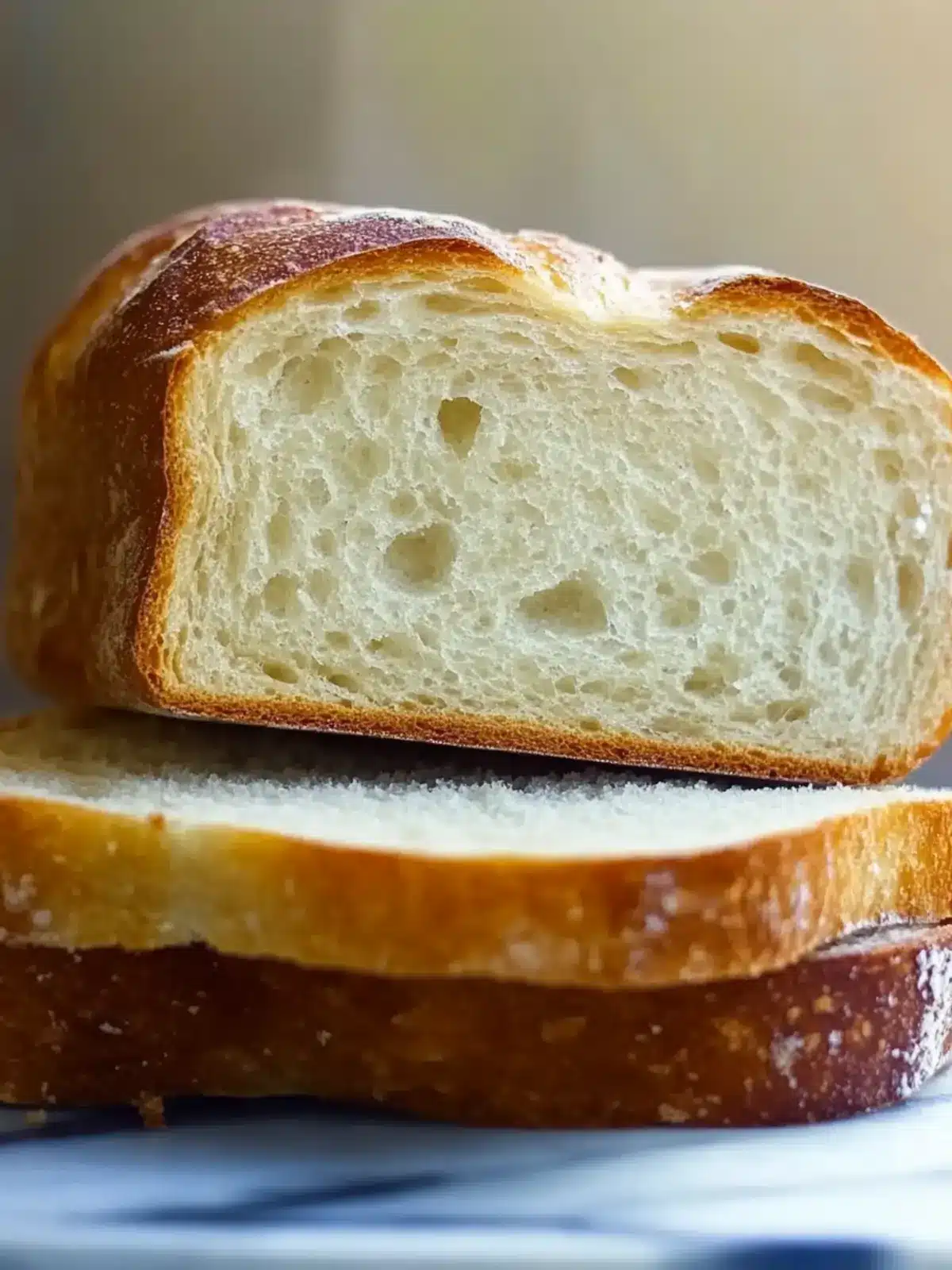
Master Soft Sourdough Sandwich Bread for Perfect Lunches
Ingredients
Equipment
Method
- Prepare your starter.
- Measure the water.
- Add the starter.
- Mix in the oil.
- Incorporate the honey.
- Whisk it together.
- Add the flour.
- Mix to combine.
- Let it rest.
- Season with salt.
- Moisten and mix.
- Rest again.
- Start Stretch and Folds.
- Refrigerate overnight.
- Bring to room temperature.
- Divide the dough.
- Bench rest.
- Shape one loaf.
- Create a rectangle.
- Seal the seams.
- Form the loaf.
- Pinch and place.
- Repeat for the second loaf.
- Proof the loaves.
- Preheat the oven.
- Score the loaves.
- Optional egg wash.
- Bake the loaves.
- Lower the temperature.
- Check for doneness.
- Cool on racks.