
On a cozy Sunday afternoon, the scent of warm butter and crispy potatoes sizzling on the stove filled my kitchen. I had decided to give a twist to my usual comfort food repertoire, and that’s when I stumbled upon the delightful world of Irish Potato Bread. Its soft interior and golden crust offer an irresistible combination that can transform any meal into a feast.
Not only is this recipe an ode to simplicity and flavor, but it also allows you to elevate your cooking with just a handful of ingredients. Imagine the joy of serving up warm, freshly pan-fried bread, perfect for slathering with butter or pairing with a robust stew. Whether you’re tired of fast food or simply craving something homemade, this dish is sure to please not just your taste buds, but also your guests. Let’s dive in and make this comforting classic together!

Why is Irish Potato Bread so special?
Comforting, this Irish Potato Bread is perfect for cozy gatherings or quick weeknight dinners. Versatile, it pairs beautifully with both savory stews and sweet toppings. Easy to master, even novice cooks will have success with just a few ingredients. Crowd-pleaser, it’s a dish that can delight the whole family. Best of all, it’s an inviting way to bring a taste of Ireland to your table! If you’re interested in elevating your home cooking even more, check out my guide on the best homemade bread recipes for more delightful ideas.
Irish Potato Bread Ingredients
For the Dough
• 750 grams potatoes – Choose starchy varieties like Russet for a fluffy texture.
• 30 grams butter – This adds a rich flavor and helps create a soft dough.
• 225 grams plain flour – For the best texture, sift the flour to incorporate air.
• Good pinch salt – A little salt enhances all the flavors in the Irish Potato Bread.
For Cooking
• Extra butter – Use for frying; it adds a delicious golden crust.
• Olive oil – Combining it with butter prevents burning and adds flavor.
With these simple ingredients, you’ll be on your way to creating mouthwatering Irish Potato Bread that’s sure to impress.
How to Make Irish Potato Bread
-
Peel and Prepare: Start by peeling the potatoes and cutting them into quarters or large chunks. Place them into a large pot filled with cold water to avoid browning.
-
Boil and Simmer: Bring the pot to a boil, then reduce the heat to a hard simmer. Cook the potatoes until they’re tender; you can test this with a fork to ensure they’re cooked through.
-
Cool and Strain: Once cooked, strain the potatoes in a colander and let them cool for a few minutes. This step is crucial for easy handling later.
-
Mash the Potatoes: When cool enough to touch, either ricing the potatoes in a large bowl using a potato ricer or mashing them thoroughly with a potato masher is essential. Ensure there are no lumps for a smooth dough.
-
Combine Ingredients: Add the butter, flour, and salt to the bowl of mashed potatoes.
-
Mix Together: Using a spoon, mix the ingredients until it becomes challenging to stir. Transition to using your hands to combine everything into a dough.
-
Check Consistency: If the dough is too sticky, don’t hesitate to add a bit more flour until it’s manageable.
-
Knead the Dough: Remove your dough from the bowl and place it on a lightly floured surface. Knead briefly until smooth, adding more flour as needed to achieve the right texture.
-
Shape into Balls: Divide your dough into six equal portions and shape each into a ball.
-
Roll Out the Dough: Take one ball at a time and roll it out on a lightly floured surface to your desired thickness—about 3mm for thinner bread, or 0.5cm for something heartier.
-
Cut or Cook: You can cut the rolled-out dough into quarters for smaller pieces or leave them whole for larger servings.
-
Heat the Pan: Preheat a non-stick frypan over medium heat. Add a splash of olive oil and a dollop of butter to create a lovely frying base.
-
Fry the Dough: Once the butter has melted and starts to bubble, add in your pieces of dough.
-
Flip and Cook: Fry one side until golden brown, then carefully turn them over with a spatula. Once both sides are golden and the bread is cooked through, remove them from the pan.
-
Keep Warm: Place the cooked Irish potato bread on a tray in a low oven to keep warm. Cover with aluminum foil to ensure they don’t dry out.
-
Continue Cooking: Repeat the frying process for the remaining dough, adding more butter and oil as needed for a crispy finish.
Optional: Serve warm with a generous spread of butter or alongside your favorite stew.
Exact quantities are listed in the recipe card below.
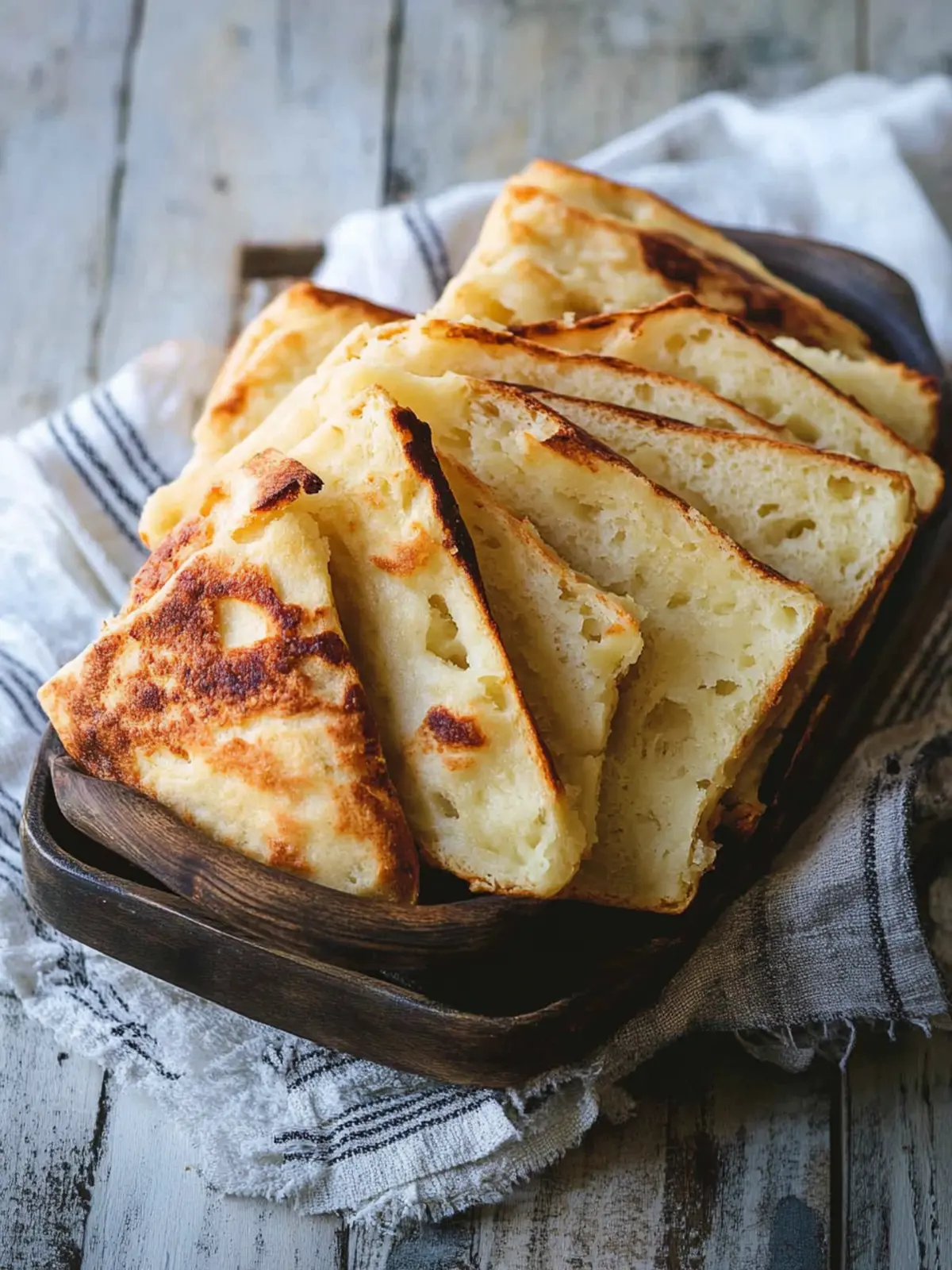
Make Ahead Options
These Irish Potato Bread preparations are perfect for busy cooks seeking to save time during the week! You can boil and prepare the potatoes up to 24 hours in advance; simply cool them down, then refrigerate in an airtight container. This will allow the flavors to deepen and keep the potatoes fresh. When you’re ready to cook, mash and mix the remaining ingredients as indicated in the recipe. Keep in mind that freshly fried Irish Potato Bread is best consumed warm, so fry them just before serving. This way, you’ll enjoy that delightful crispy exterior and soft interior with minimal effort!
How to Store and Freeze Irish Potato Bread
Room Temperature: Store the bread in an airtight container or wrapped in aluminum foil for up to 2 days at room temperature, ensuring it stays soft and delicious.
Fridge: If you plan to keep your Irish Potato Bread longer, store it in the fridge wrapped in plastic wrap for up to 5 days to maintain its freshness.
Freezer: For longer storage, freeze slices in a freezer-safe bag for up to 3 months. Separate each piece with parchment paper to make thawing easy.
Reheating: To enjoy leftovers, reheat in a pan over medium heat with a little butter or olive oil, or pop them in the toaster to revive their crispy texture.
Irish Potato Bread Variations
Feel free to explore these delicious twists and substitutions to personalize your Irish Potato Bread!
- Dairy-Free: Swap butter for vegan butter or coconut oil to keep it dairy-free and still enjoy that rich flavor.
- Herbed Goodness: Add fresh herbs like chopped chives or parsley to the dough for an aromatic twist that brightens each bite.
- Sweet & Savory: Incorporate chopped bacon or sautéed onions for a delightful sweet and savory combination that makes each slice unforgettable.
- Whole Wheat: For added nutrition, replace white flour with whole wheat flour—this will give your bread a nuttier flavor and denser texture.
- Spicy Kick: Mix in a pinch of chili flakes or paprika to the dough for a subtle heat that will surprise and delight your taste buds.
- Cheesy Delight: Fold in shredded cheese, like cheddar or feta, for a gooey, rich addition that will make your Irish Potato Bread even more indulgent.
- Nutty Flour: Switch plain flour for almond flour or any nut flour for gluten-free options that still provide delicious results.
- Flavored Oil: Experiment with flavored oils, such as garlic-infused olive oil, to enhance the aromatic profile of your bread while frying.
Each variation offers a unique flavor profile, inviting you to make this recipe your own!
What to Serve with Irish Potato Bread?
Imagine the warmth of a hearty, comforting meal that will wrap you in love and flavor.
- Savory Stew: Pair with a rich beef or lamb stew; the bread’s soft texture soaks up the delicious broth beautifully.
- Creamy Coleslaw: A fresh, crunchy coleslaw adds a zesty contrast, balancing the fluffy bread with its crisp flavors.
- Roasted Vegetables: Tender roasted veggies provide sweetness and a delightful caramelized flavor that complements the bread’s savory taste.
- Herbed Butter: Whip up a batch of herbed butter for a delightful spread; it enhances the warm, crispy bread with fragrant flavors.
- Breakfast with Eggs: Serve alongside a sunny-side-up egg for a delightful breakfast twist; the gooey yolk enriches each bite.
- Sweet Jam: For a delightful dessert, warm the bread slightly and spread it with your favorite jam or honey for a sweet treat.
- Cheese Platter: A variety of cheeses, especially creamy ones, adds richness, creating an indulgent tasting experience.
- Light Salad: A simple arugula or spinach salad dressed with lemon vinaigrette brings brightness and freshness that enhances every bite.
Tips for the Best Irish Potato Bread
-
Choose the Right Potatoes: Starchy varieties like Russet create a fluffier Irish Potato Bread, ensuring a light texture that won’t disappoint.
-
Avoid Overmixing: Mix the dough until just combined; overmixing can lead to tough bread. Use your hands as soon as it gets difficult with a spoon.
-
Check for Stickiness: If the dough is sticky, sprinkle more flour gradually. It’s easier to add flour than to fix overly dry dough!
-
Perfect Frying Technique: Keep your pan’s heat moderate to ensure even cooking. Too high heat can burn the outside while leaving the inside raw.
-
Experiment with Thickness: Adjust the thickness of your rolled dough according to personal preference—thicker makes for heartier bread, thinner cooks faster!
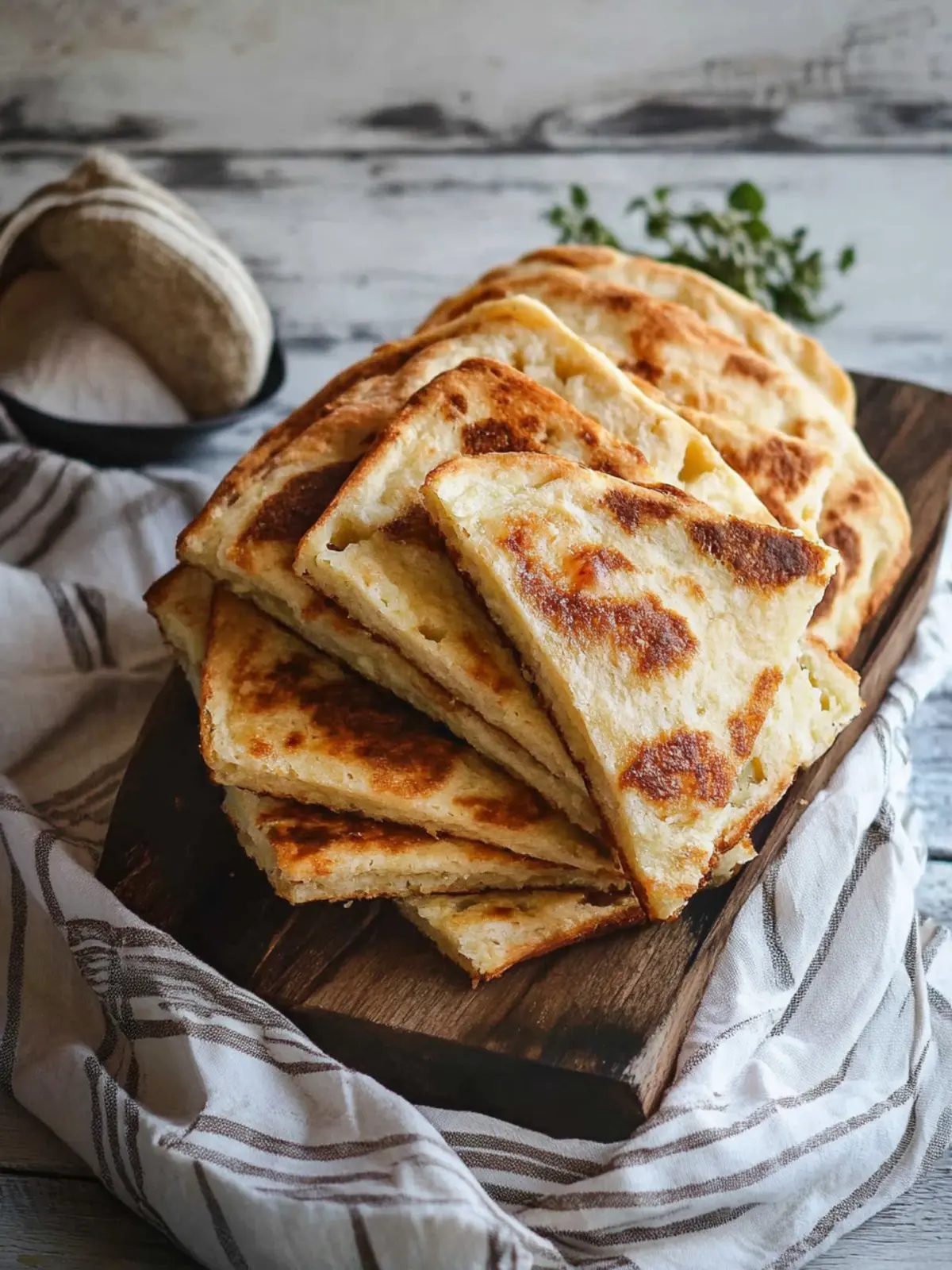
Irish Potato Bread Recipe FAQs
What type of potatoes are best for Irish Potato Bread?
Absolutely! For the best results, starchy potato varieties like Russet or Yukon Gold are ideal. They provide that fluffy, light texture you want in your Irish Potato Bread. Avoid waxy potatoes, as they can make the bread dense.
How should I store leftover Irish Potato Bread?
Very! If you have any leftovers, you can keep your Irish Potato Bread at room temperature in an airtight container or wrapped in aluminum foil for up to 2 days. For longer storage, wrap it in plastic wrap and place it in the fridge for up to 5 days, preserving its soft, delightful texture.
Can I freeze Irish Potato Bread?
Of course! To properly freeze your Irish Potato Bread, slice it first for easy thawing, and then wrap each slice in parchment paper. Place the wrapped slices in a freezer-safe bag or container to prevent freezer burn. It’s good for up to 3 months! When you’re ready to enjoy, just thaw and reheat in a pan or toaster.
What should I do if my dough is too sticky?
I often encounter this as well! If your dough feels overly sticky, don’t worry. Simply dust your hands and working surface with a little more flour, and gently incorporate it until you achieve a manageable consistency. Start with one tablespoon at a time, kneading lightly until smooth without overworking it.
Can my dog eat Irish Potato Bread?
It’s best to avoid sharing this with your furry friend. While plain potatoes are generally safe, the butter and salt can be harmful in larger amounts. Always check with your vet before introducing new foods into your dog’s diet.
What can I do if my bread doesn’t turn golden in the pan?
Not a problem! If your bread isn’t turning that beautiful golden brown color in the pan, check your heat setting. It should be medium; too low can result in pale bread, while too high can cause burning on the outside. Adjust the heat accordingly, and remember, patience is key to perfectly cooked bread!
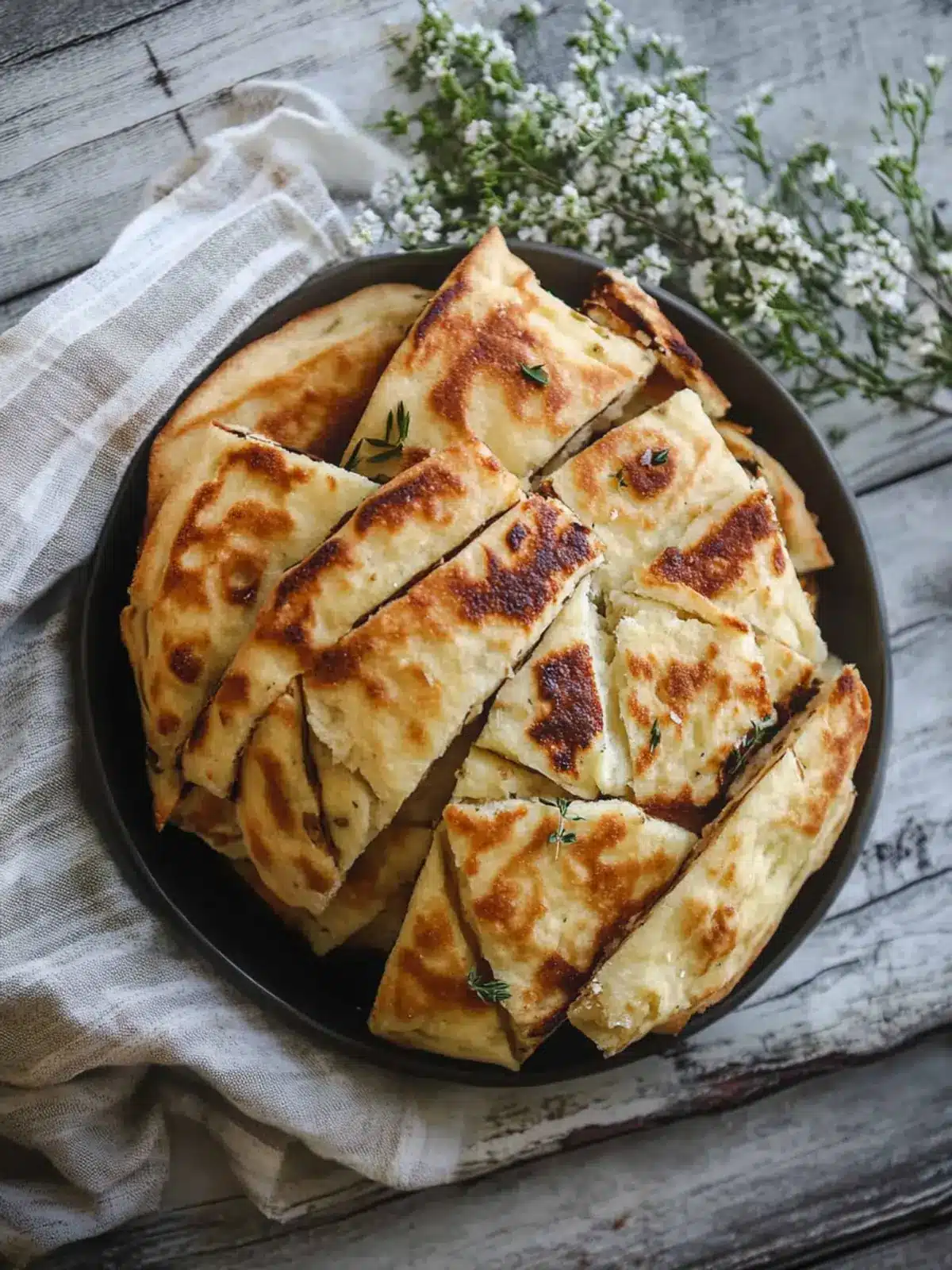
Irresistible Irish Potato Bread That Transforms Your Meals
Ingredients
Equipment
Method
- Peel and prepare the potatoes by cutting them into quarters or large chunks. Place them into a large pot filled with cold water to avoid browning.
- Bring the pot to a boil, then reduce the heat to a hard simmer. Cook the potatoes until they’re tender; you can test this with a fork to ensure they're cooked through.
- Once cooked, strain the potatoes in a colander and let them cool for a few minutes.
- When cool enough to touch, rice or mash the potatoes thoroughly to ensure there are no lumps for a smooth dough.
- Add the butter, flour, and salt to the bowl of mashed potatoes.
- Using a spoon, mix the ingredients until it becomes challenging to stir. Transition to using your hands to combine everything into a dough.
- If the dough is too sticky, add a bit more flour until it’s manageable.
- Remove your dough from the bowl and place it on a lightly floured surface. Knead briefly until smooth, adding more flour as needed to achieve the right texture.
- Divide your dough into six equal portions and shape each into a ball.
- Take one ball at a time and roll it out on a lightly floured surface to your desired thickness—about 3mm for thinner bread, or 0.5cm for something heartier.
- Cut the rolled-out dough into quarters for smaller pieces or leave them whole for larger servings.
- Preheat a non-stick frypan over medium heat. Add a splash of olive oil and a dollop of butter.
- Once the butter has melted and starts to bubble, add in your pieces of dough.
- Fry one side until golden brown, then carefully turn them over with a spatula. Once both sides are golden, remove them from the pan.
- Place the cooked Irish potato bread on a tray in a low oven to keep warm, covering with aluminum foil to ensure they don’t dry out.
- Repeat the frying process for the remaining dough, adding more butter and oil as needed for a crispy finish.